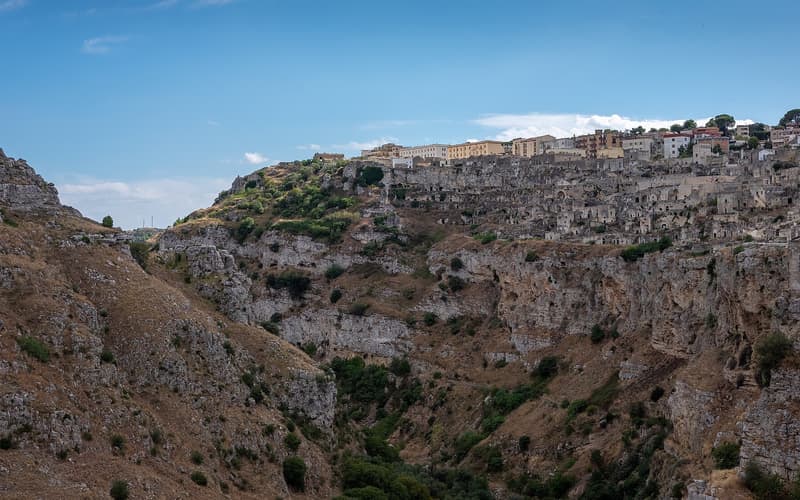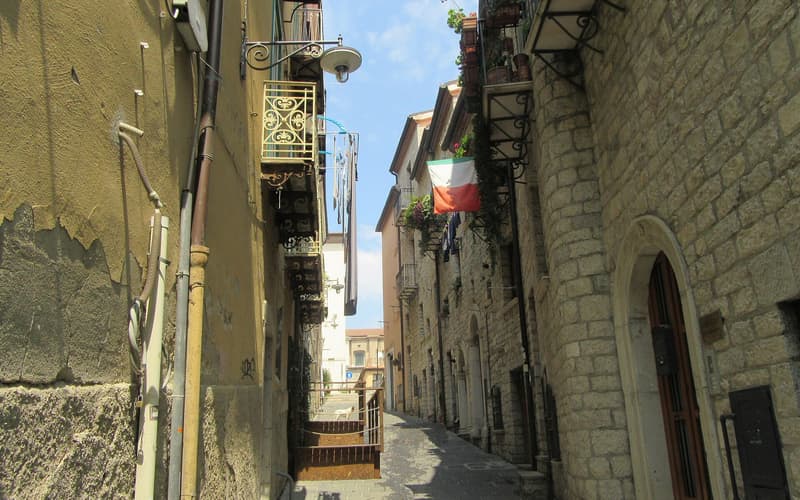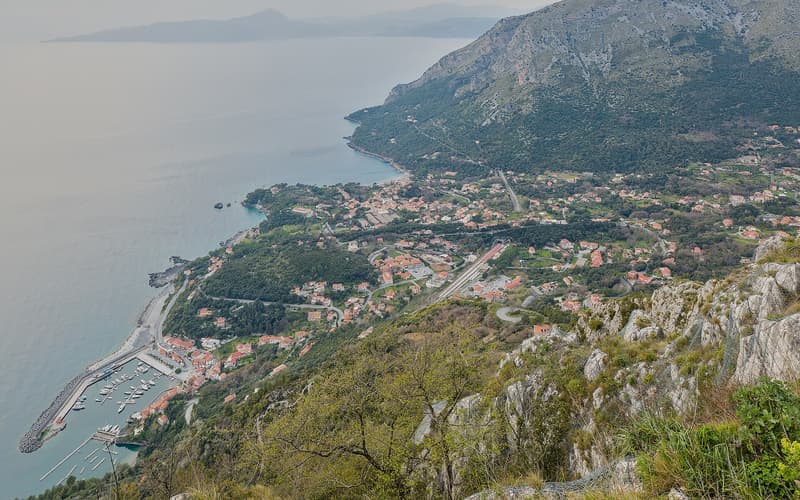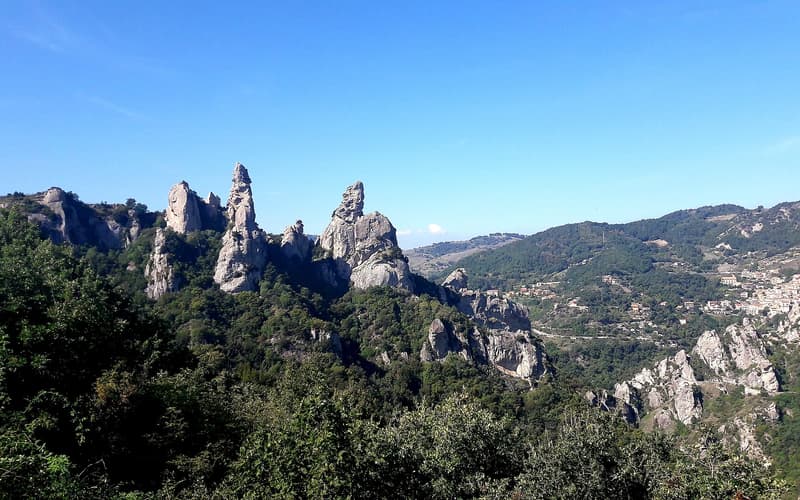
Basilicata is safe, welcoming and still little touched by mass tourism. Here are the practical basics.
Entry and visas
Basilicata is part of Italy, in the EU and the Schengen Area. EU and EEA citizens can enter with a passport or national ID. Many other nationalities can visit visa-free for short stays, while others need a Schengen visa. New EU entry systems may change the process for non-EU visitors. Rules change, so check official sources before you travel.
Money and costs
The currency is the euro (EUR). Cards are widely accepted, but carry some cash for village bars, small shops and markets. ATMs (bancomat) are found in towns, but not in every village. Some towns charge a small tourist tax per night.
| Style | Villages and inland | Matera and Maratea in season |
|---|---|---|
| Budget (B&B, trattorias, some driving) | Around €60–90 | Around €80–110 |
| Mid-range (hotel, restaurants, a tour) | Around €110–170 | Around €150–220 |
| Comfortable (cave suite or sea-view hotel) | Around €220+ | Around €300+ |
These are rough estimates and do not include car hire. Check current prices.
Safety
Basilicata is one of the quieter and safer regions of Italy. Take normal care with valuables. The main risks are practical: steep, slippery steps in Matera, summer heat, and winding mountain roads. The European emergency number is 112.
Etiquette
Greet people with buongiorno or buonasera when you enter a shop or bar. Cover shoulders and knees in churches. Lunch is the main meal, and many shops close for a few hours in the early afternoon. Tipping is not expected, but rounding up or leaving a little for good service is appreciated.
Language
Italian is spoken everywhere; local dialects are strong, and some villages in the south also speak Arbëreshë, a form of Albanian. English is common in Matera’s hotels and restaurants but less so in villages, so a few Italian phrases help.
Connectivity and electricity
Mobile coverage is good in towns but patchy in the mountains. EU roaming rules apply for EU SIMs. Sockets are types F and L, 230 V.
Health
Healthcare is good in the cities. EU visitors should carry an EHIC; everyone else needs travel insurance. Tap water is generally safe. In summer, protect yourself from the sun and drink plenty of water.
Packing
Bring shoes with good grip for the Sassi and the trails, a hat and sun cream in summer, and warm layers for the mountains, even in spring and autumn.
Accessibility
Historic centres are hilly and stepped, and Matera’s Sassi are particularly difficult. Modern hotels and the newer parts of towns are easier. Contact sites in advance about access.
Food and drink
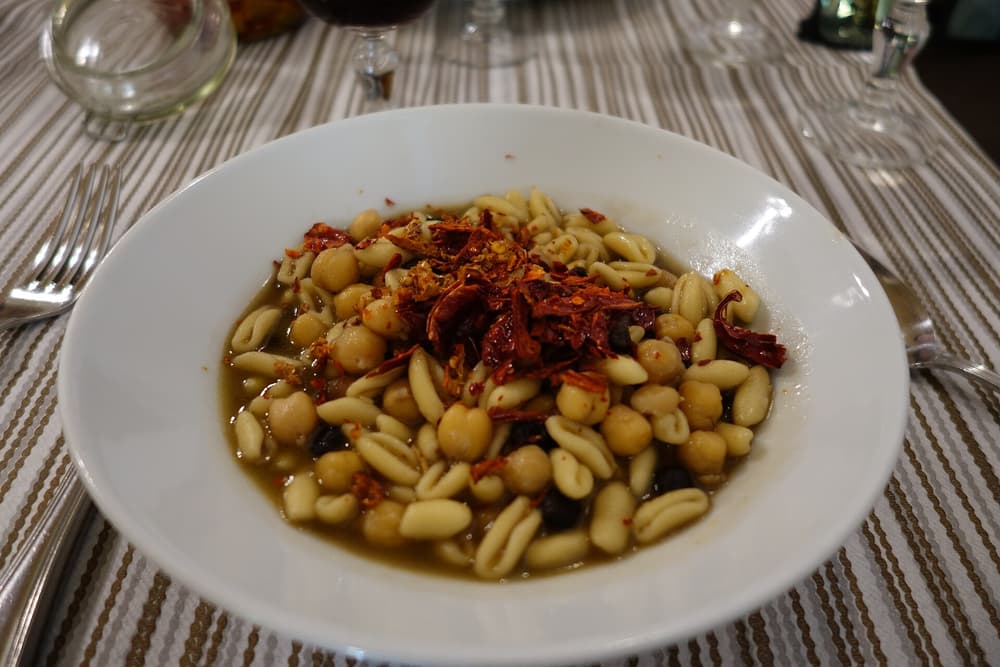
Lucanian cooking is rustic and generous: peperoni cruschi (crisp dried peppers), lucanica sausage, handmade pasta such as cavatelli and strascinati, pulses, lamb, and cheeses like caciocavallo and canestrato. Matera is famous for its bread. Drink Aglianico del Vulture and finish with Amaro Lucano.