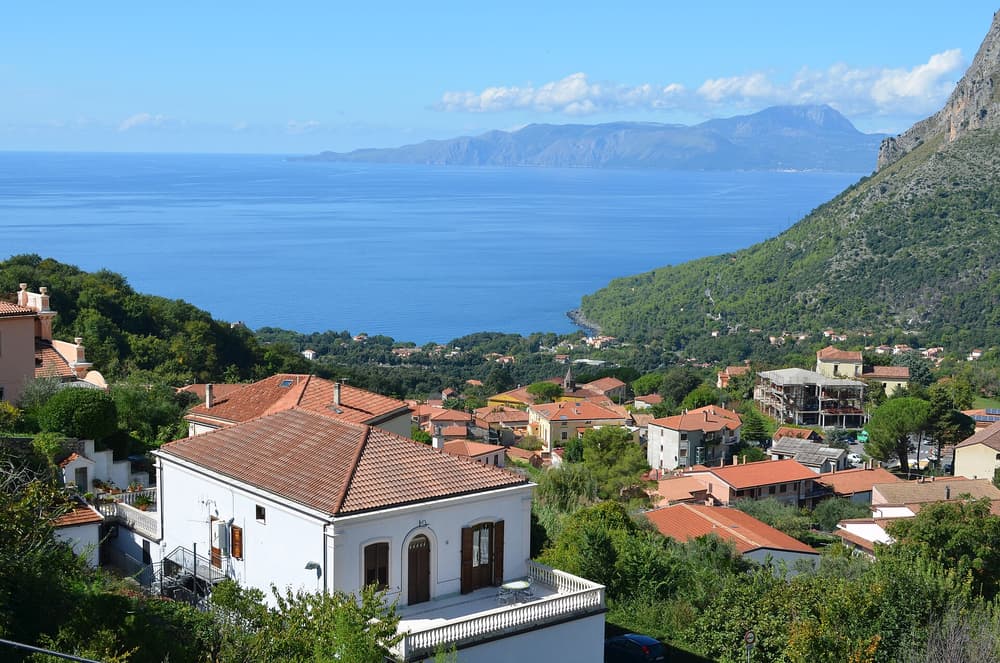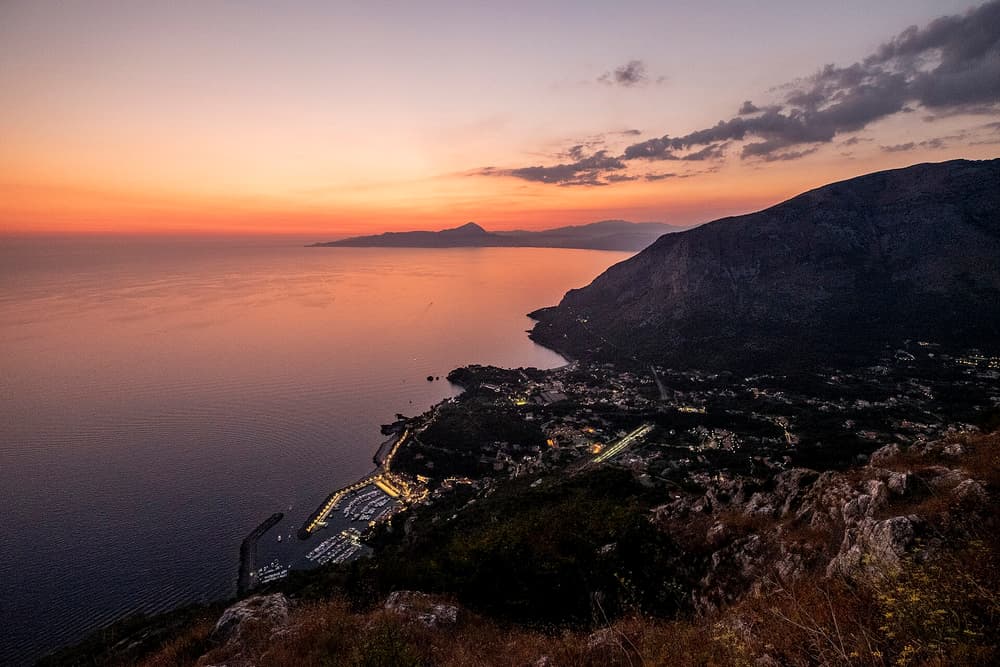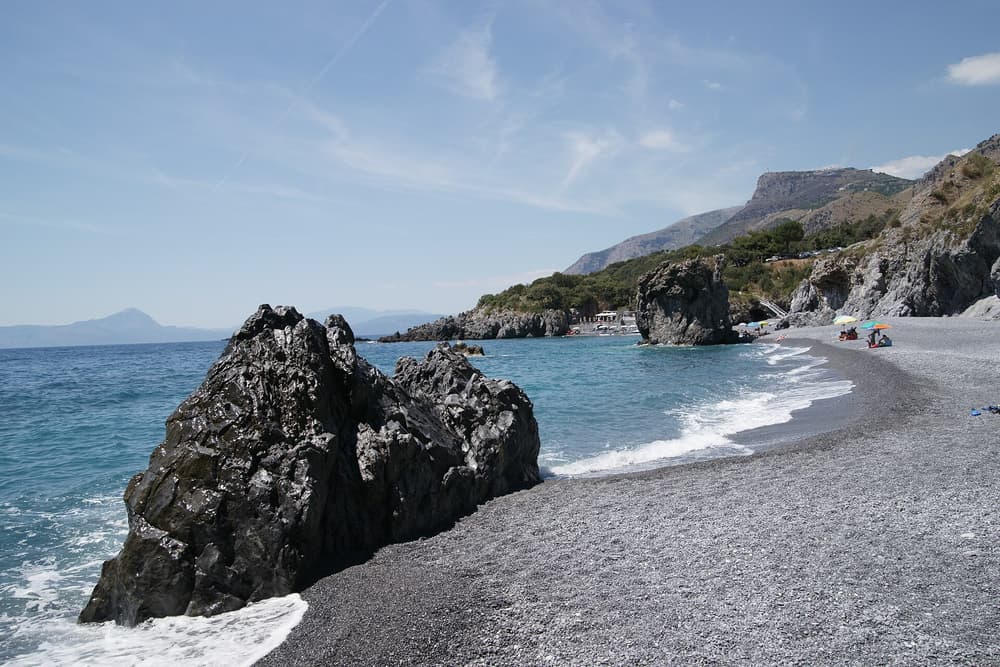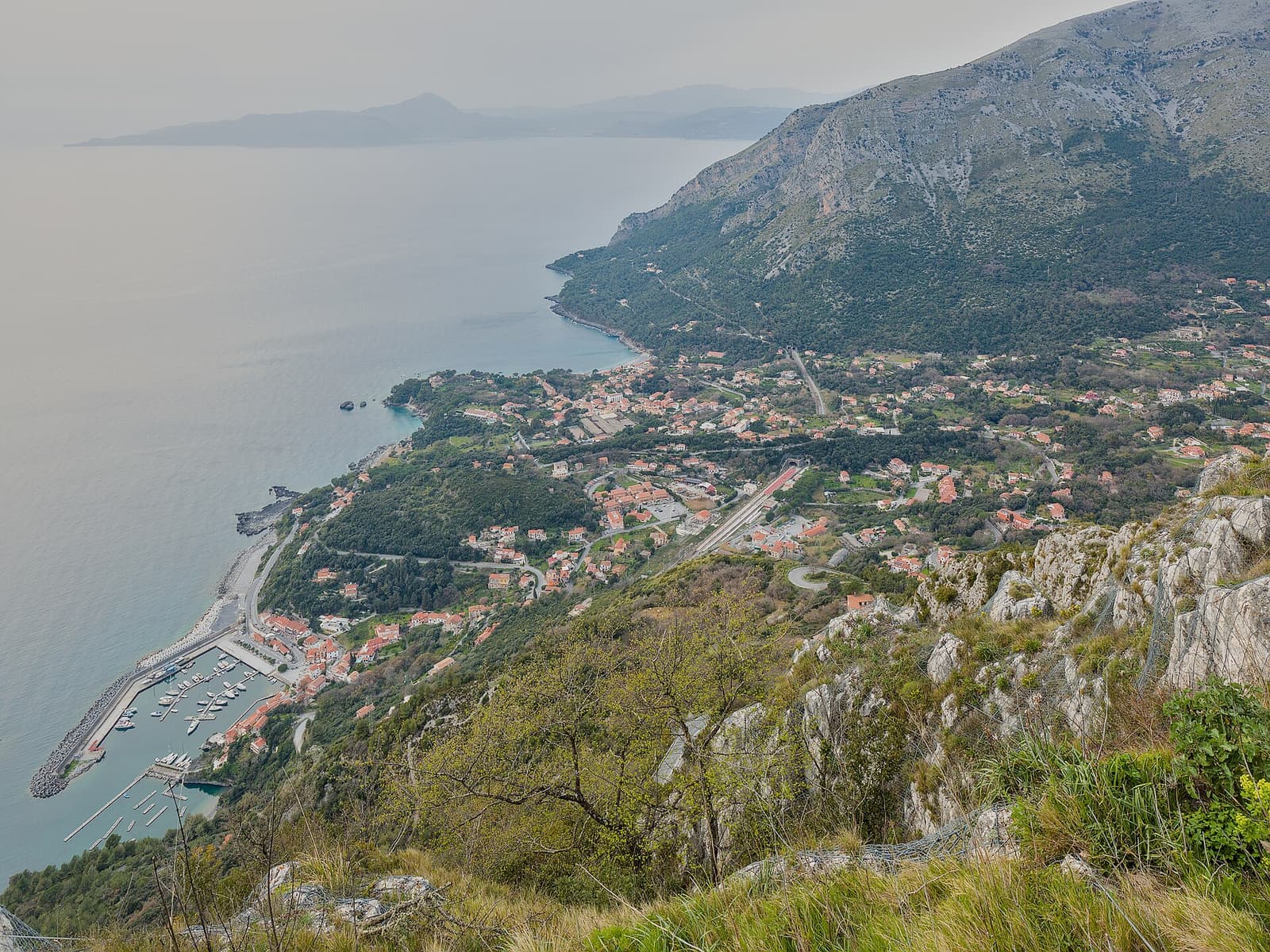
Maratea is the whole of Basilicata’s Tyrrhenian coastline, squeezed between Campania and Calabria. Steep green mountains drop straight into the sea, leaving room only for small hamlets, coves and beaches of dark sand and pebbles. It feels like a quieter, less built-up cousin of the Amalfi Coast.
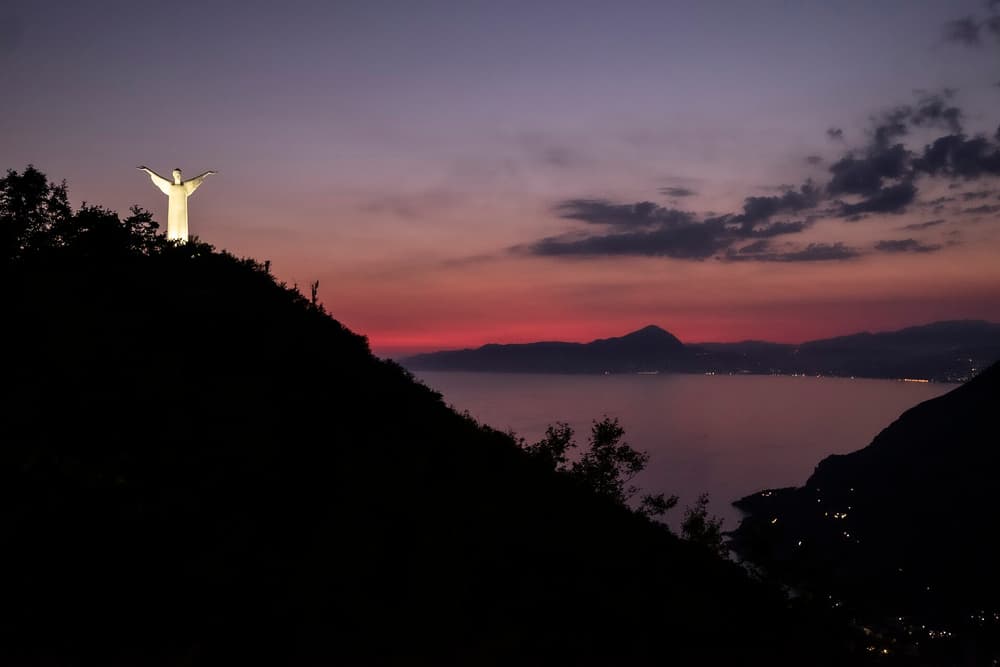
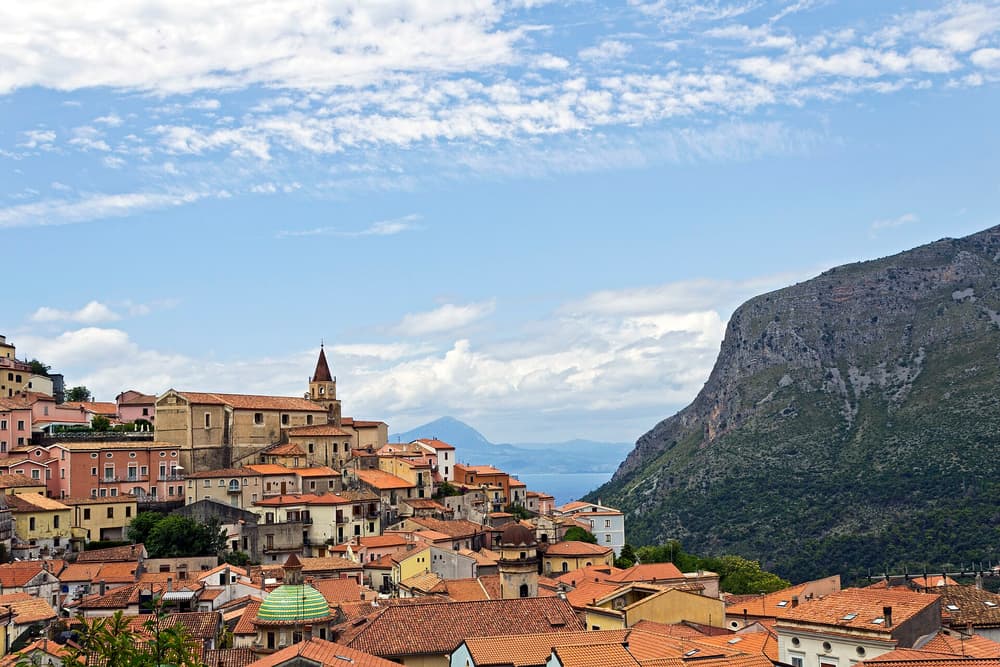
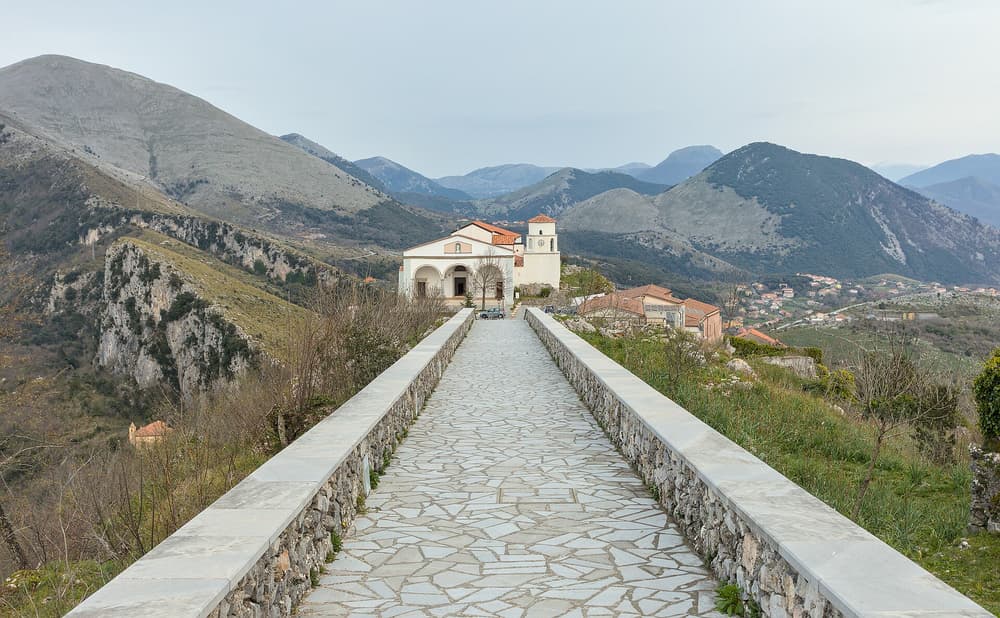
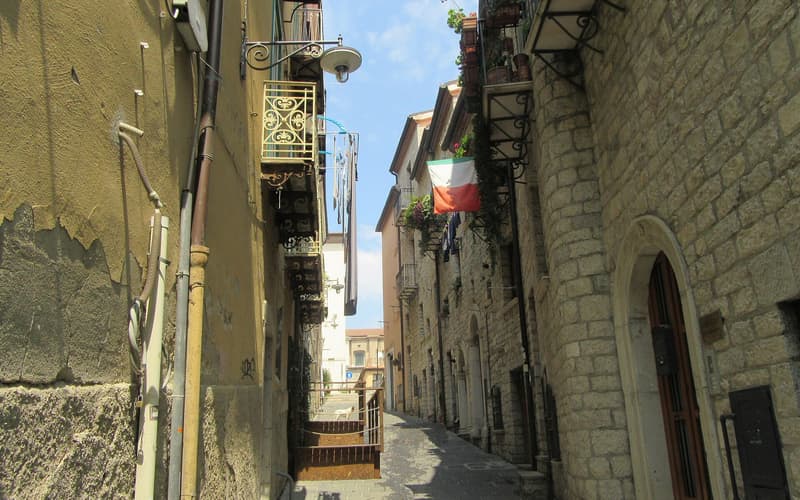
The old town sits inland on the mountainside, with a remarkable number of churches for its size. Above it, on Monte San Biagio, stands the statue of Christ the Redeemer, completed in the 1960s and one of the largest of its kind in Europe. Below, the hamlets of Fiumicello, Porto, Acquafredda, Cersuta and Castrocucco stretch along the coast road.
Highlights
- Cristo Redentore: the statue and the view over the gulf.
- The old town: lanes, squares and churches.
- The harbour: boats, fish restaurants and sea-cave trips.
- Beaches and coves: many reached by steps or only by sea.
- Kayaking and snorkelling: clear water and caves.
- The coast road: one of the most scenic drives in the south.
Quick facts
| Province | Potenza, south-west Basilicata |
|---|---|
| Sea | Tyrrhenian (Gulf of Policastro) |
| From Naples | About 2.5–3 hours by car or train |
| Ideal stay | Three to five nights in summer |
| Best for | Beaches, swimming, slow holidays |
| Getting around | Car or scooter; local buses in summer |
How long to stay & where to base yourself
Give Maratea three nights or more in the warm months. The coast is spread out, so choose a base by what you want: Fiumicello for beaches on foot, Porto for restaurants, or the old town for evenings and views. A car makes everything easier.